
This website may earn commissions from certain purchases via the Amazon Associates program at no cost to you.
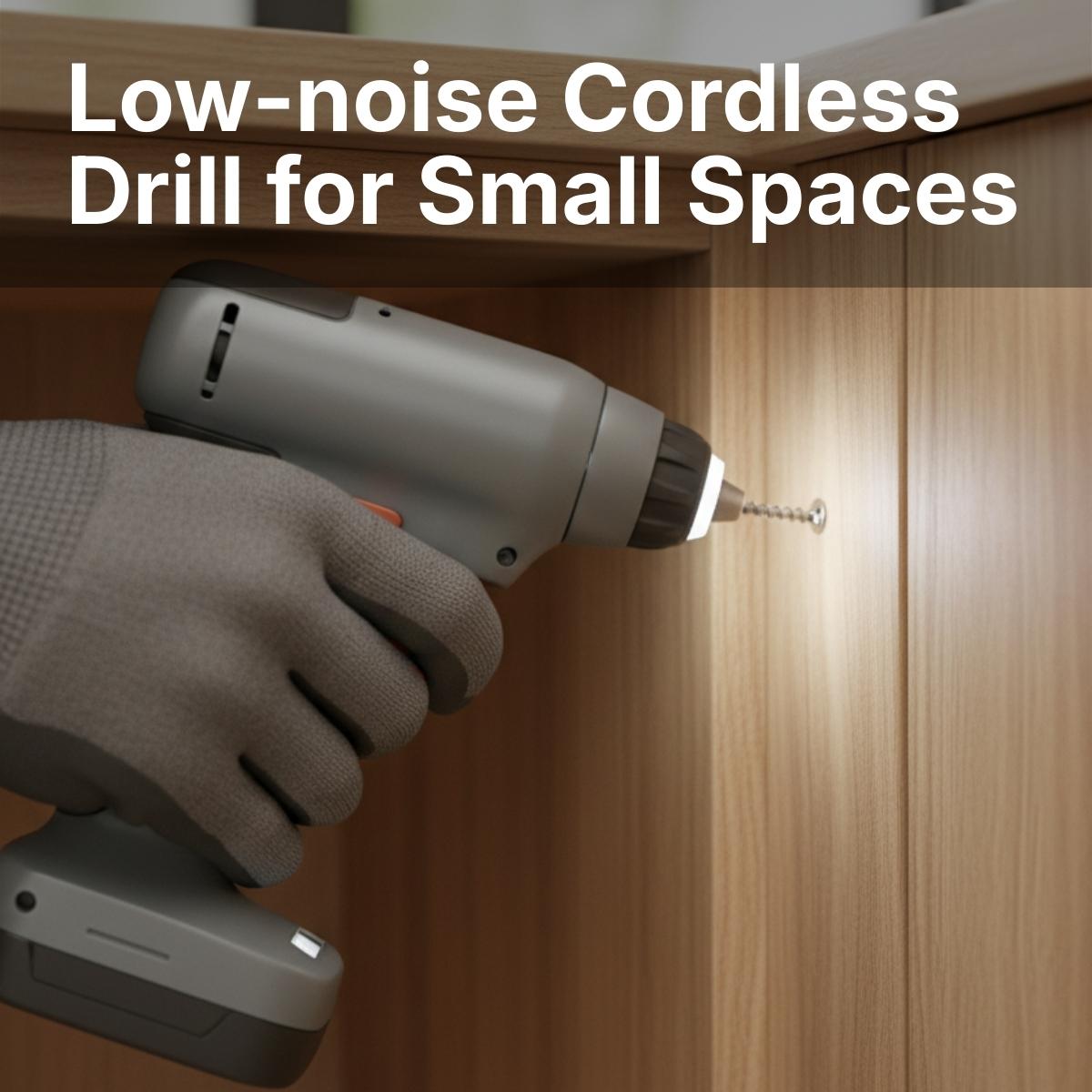
Compact, quiet tools that fit inside cabinets and between joists without waking the whole house.
Where your comfort level is, in terms of working in tight spaces with power tools, is mostly the result of the tool selection habits you keep. However, when you’re guided by head length, weight balance and noise profile instead of just voltage numbers, you can reach impressive results in your project completion, often far beyond anything you expected.
Your choice in drill, or the features you prioritize when shopping, directly affects your success with building confidence in cramped work areas. When you focus on compact design and lower noise output, you’ll find that almost any cabinet repair or tight-space installation seems manageable.
If you’re willing to research the specifications, test the grip balance, and invest in the right tool platform.
But if you rely on the “biggest voltage wins” approach, you’re just creating frustration that limits how many projects you’ll actually tackle. Soon you might catch yourself thinking things like “I hate working under sinks” or “These spaces are just too small for me” and giving up on the repairs that were actually within reach.
The drills below range from ultra-compact 12-volt models that slip between studs to versatile multi-head systems that let you swap between straight, right-angle and offset configurations. Key differences include motor type (brushless runs smoother and quieter), voltage platform (12V versus 18-20V), physical head length (critical for clearance), and whether the manufacturer has published or tested noise data.
Notable features worth attention include interchangeable heads for the tightest spots, independent lab testing for ear-level noise, and weight distribution that keeps the tool balanced when you’re reaching at awkward angles.
List of Low-Noise Compact Drills
1. KIMO 20V Cordless Drill
This drill stands out in independent YouTube testing with a measurement of about 78.5 dB at 24 inches, noticeably quieter than several mid-range competitors that landed in the mid-80s to around 90 dB range at the same distance. The noise character is less sharp and harsh, which helps reduce fatigue in small echoey spaces like cabinets or closets.
It still delivers enough torque for general light to medium DIY tasks, making it a solid choice when noise is your top concern and you work in apartments, at night, or around sleeping family members.
Best for: Noise-sensitive environments where keeping sound levels down matters as much as getting the job done.
2. DeWalt 12V XTREME DCD701F2
This compact brushless drill weighs roughly 2.4 pounds and earns strong ratings from Consumer Reports across power, speed, handling, charging time and low noise at ear level. The 3/8-inch chuck handles most wood and metal bits used in cramped spaces, and the short format makes it easy to fit inside cabinets and between framing members.
The brushless motor delivers smoother operation than older brushed models, and the 12-volt platform keeps the tool lightweight without sacrificing too much power for typical home repairs.
Best for: An everyday quiet drill where you want a reputable brand with a broad 12V tool ecosystem.
3. DeWalt 12V XTREME DCD703F1 (Multi-Head)
The DCD703F1 is a 12-volt brushless drill with interchangeable heads including standard, offset, right-angle and others, so you can drive and drill where a normal nose simply will not fit. Consumer Reports gives it high marks for noise at ear level, speed and handling, while staying very light at about 2.5 pounds.
The right-angle and offset heads matter more than raw power when you need to work inside cabinets, behind appliances, or between closely spaced studs.
This flexibility makes it one of the most versatile options for anyone who regularly encounters truly tight spaces.
Best for: Maximum flexibility in the tightest spaces where both compact size and low ear-level noise are priorities.
4. Milwaukee M12 FUEL 4-in-1 Drill/Driver (2505-22)
Milwaukee’s M12 FUEL 4-in-1 kit includes a compact 12-volt brushless driver with four head attachments: 3/8-inch keyless chuck, 1/4-inch hex, right-angle, and offset. Detailed project reviews found it could reach nearly any tight space for drilling and driving, including between 16-inch-on-center studs and inside cabinets and toe-kicks.
Brushless M12 tools run smoother than brushed models, and the smaller 12-volt motor tends to be less harsh in enclosed spaces than larger 18- or 20-volt drivers.
The four-head system means you can adapt to whatever clearance challenge you face.
Best for: People who regularly work in extremely tight spaces and want most flexibility in a single compact kit.
5. Makita 18V LXT XFD10Z
This 18-volt Makita has a short 7.6-inch head length and excellent balance that testing sites repeatedly praise for cabinetry and furniture work. In tight-space tests, it slid into toe-kicks and cabinet interiors where longer drills could not.
Better balance reduces the muscle tension that often amplifies perceived noise fatigue, especially when you’re bracing yourself under a sink or reaching overhead in a closet.
The 18-volt platform gives you more power than 12-volt options when you need to drill larger holes or drive long screws into hardwood.
Best for: Home projects that need true 18-volt power but still involve a lot of cabinet and framing work in tight spots.
6. Makita 12V CXT FD07R1
Consumer Reports rates this compact 12-volt Makita highly for power and speed considering its small size, noting that it weighs just over 2 pounds and stands about 6 inches tall. That small form factor makes it very friendly for confined areas where you need to maneuver at odd angles.
Run time is acceptable, and the kit includes two batteries plus a fast charger that can top a pack in about 60 minutes.
Noise levels are reasonable for a 12-volt brushless tool, and the small size naturally keeps the motor further from your ear in tight spaces.
Best for: Users who want an ultra-small, comfortable drill for cabinets, vehicles and light work with a quiet profile and fast recharging. When considering the best cordless drills for travel, it’s essential to prioritize lightweight models that can fit easily into luggage. These drills should not only be compact but also powerful enough to handle various tasks on the go. Look for features like quick-charge batteries and durable designs to ensure reliability during your adventures.
7. DeWalt 12V DCF610S2 (Screwdriver-Style)
Technically a 12-volt screwdriver as opposed to a full drill, the DCF610S2 weighs about 2.1 pounds and is aimed at light-duty tasks in tight spaces. Consumer Reports notes it has above-average speed for its class, recharges quickly, and is one of the lighter models available.
For work like cabinet hinges, junction boxes, switch plates and hardware assembly, this style is often quieter and easier to keep under control than a full-size drill.
The inline grip makes it natural to hold in confined areas where a pistol-grip drill feels awkward.
Best for: Low-noise, low-stress screwdriving and very light drilling in cramped indoor spaces where control matters more than raw torque.
8. DeWalt 20V MAX ATOMIC DCD708/DCD799 Compact Drill
DeWalt’s ATOMIC compact 20-volt drills are specifically built with shorter head lengths to fit into tight spots, and they rank among the shortest 20-volt models sold at big-box stores. Their brushless motors and effective gear design tend to run smoother than many older brushed 20-volt models.
Tool reviewers routinely highlight the balance and compact nose, which help when you stretch inside cabinets or between joists.
If you already own DeWalt 20-volt MAX batteries, this drill let’s you keep using your existing platform while gaining the benefits of a smaller, quieter tool.
Best for: Someone already invested in DeWalt 20V MAX batteries who wants a smaller, smoother drill for close-quarters work.
9. Milwaukee M12 FUEL 3403-22 / 3404-20 Compact Drill
Consumer Reports notes that the Milwaukee M12 FUEL compact drill delivers excellent power and runtime for a 12-volt class and is lighter than average at about 2.5 pounds, although “a little noisy.” The noise is somewhat higher than the quietest options, but because the tool is smaller and lighter, your arm position tends to keep it slightly farther from your ear. The runtime is excellent, which means fewer battery swaps during longer projects.
For users already invested in Milwaukee M12 batteries, this trade-off between slightly higher noise and excellent performance is often acceptable.
Best for: Users already invested in Milwaukee M12 who need a very compact drill and can live with a bit more noise in exchange for strong performance.
10. Skil 12V Brushless DL6290A-10
The Skil DL6290A-10 is another compact 12-volt drill that Consumer Reports praises for strong speed, decent runtime, quick charging, and comfortable grip at about 2.6 pounds. It lacks a storage case, but as a value pick, it performs above its price class.
Specific decibel data is not widely published, but 12-volt brushless drills with effective gearing typically emit a more manageable sound in small rooms than heavy 18- or 20-volt hammer drills.
This makes it a budget-friendly option for someone who wants compact performance without the roar of a jobsite tool.
Best for: Budget-minded users wanting a compact, capable drill that will not sound like a jet engine inside closets or cabinets.
11. BLACK+DECKER LD120VA 18V
This BLACK+DECKER 18-volt drill weighs about 4.2 pounds, uses a 3/8-inch chuck, and is aimed at general light-duty home tasks. Reviewers highlight its comfortable use for shorter projects and adequate power for drilling soft and some hard woods.
It is louder than the quietest 12-volt options, but if you run it at lower speeds, use sharp bits and let the clutch work instead of forcing the tool, you can tame the noise for occasional tight-space use.
The price point makes it accessible for infrequent users who need a simple tool.
Best for: Infrequent users who want a simple, affordable drill and will only sometimes work in small spaces where noise matters. for those tackling tougher materials like concrete walls, investing in a durable drill becomes essential. The best cordless drills for concrete walls offer powerful performance without the hassle of cords, making them ideal for both DIY enthusiasts and professionals alike. Look for features like high torque and battery longevity to ensure efficiency on larger projects.
12. Avid Power 18V Cordless Drill
This light 18-volt drill weighs around 2.2 pounds, includes a flexible shaft for hard-to-reach places, and scored perfect marks for ergonomics and power in testing by This Old House. The flexible shaft can help keep the motor body further from your head in cabinets or under counters, which reduces perceived noise at your ear.
Charge time is somewhat long, but for short bursts in tight areas, the combination of low weight and extension shaft helps reduce both sound exposure and physical strain during awkward reaching.
Best for: Light projects in cramped spots where a flexible shaft helps you keep the noisy part of the tool outside the cavity.
How to Choose Your Drill
When you compare models, focus on these priorities in order. Size matters first because a drill that does not fit cannot do the job.
Look for a head length under about 7 inches where possible, since this dimension decides whether the tool will slip between studs, inside cabinets and under sinks.
Weight comes next. A drill around 2 to 3 pounds bare tool reduces arm fatigue when you’re reaching or working overhead in tight spots for more than a few minutes.
Voltage platform makes a difference. A 12-volt drill is usually quieter and provides plenty of power for light to medium tasks, while compact 18- or 20-volt models give you more torque when you need it.
Motor type affects both sound and efficiency.
Brushless motors run smoother and deliver better runtime in a small cavity compared to older brushed designs.
Noise level is harder to evaluate because few manufacturers publish decibel ratings. Look for lab or reviewer notes that mention low noise or smoother sound, since these details show the tool has been tested in real conditions.
Grip and balance matter more than many people realize.
A comfortable handle and weight centered near your palm let’s you control speed gently instead of stabbing the trigger, which keeps noise spikes down.
Attachments expand what you can reach. Right-angle or offset heads, plus flexible shafts, let you keep the motor body and its noise outside the tight space while the bit does the work inside.
For many situations, a 12-volt multi-head drill paired with a low-noise standard drill covers nearly every tight-space scenario with much less noise and strain than a single big 20-volt hammer drill.
Conclusion
The Kimo cordless drill stands out if you want the quietest experience possible and do mostly light to medium work. Independent testing found it significantly quieter than several common competitors at the same distance, giving you enough power for typical home tasks while keeping sound more comfortable in confined spaces.
If you also care about fit inside tight cavities, control, and brand ecosystem, the DeWalt 12V DCD703F1 multi-head drill is the overall favorite. It combines compact size, strong lab scores for power, speed, handling and low ear-level noise, and let’s you swap to right-angle or offset heads instead of fighting clearances.
That flexibility matters more with each new project you tackle, whether it’s installing cabinet hardware, running electrical in tight junction boxes, or assembling furniture in corners where a standard drill simply will not fit.
The best next step is to measure a few of your own tight spaces. Grab a tape measure and check the clearance inside a cabinet, between joists, or under a sink.
Write down those dimensions and compare them to the head length of your shortlisted drills.
Then decide whether you prefer a single very quiet drill like the Kimo, or a slightly more versatile multi-head 12-volt kit like the DeWalt or Milwaukee that can grow with your projects and adapt to whatever tight space you encounter next.
When you’re ready to buy, start with that top pick and commit to using it for all your cramped, noise-sensitive jobs for a few weeks. Pay attention to how your shoulders feel after working under a sink for 20 minutes.
Notice whether you’re less hesitant to start the next small repair.
You will quickly feel the difference in your hands, your ears, and your willingness to say yes to the next project instead of putting it off or paying someone else to handle it.
Frequently Asked Questions
Are 12-volt drills actually quieter than 18- or 20-volt drills?
In many cases they are quieter because the motors are smaller and the tools are designed for light duty as opposed to most power. Consumer Reports testing on 12-volt drills, including models from DeWalt and Makita, notes strong performance with good or very good ratings for noise at ear level, which is less common in high-power 20-volt models.
That said, design and gearing matter, so not every 12-volt drill is automatically quieter than every 18-volt drill.
A well-designed brushless 18-volt compact drill can sometimes run quieter than a poorly geared 12-volt brushed model.
What drill features matter most for reducing noise in small spaces?
Tool testers and ergonomics research focus on motor type, gearing quality, and vibration control, plus how close the tool sits to your ear. Brushless motors, well-cut gears, and a compact head that let’s you hold the drill slightly further away can all reduce perceived noise and fatigue.
Multi-head tools or flexible shafts also let you keep the motor body out of the cavity, which reduces echo and sharp sound reflection off nearby surfaces.
When the motor is outside the cabinet and only the bit is inside, the enclosed space amplifies far less noise.
How can I make my existing loud drill feel quieter in cabinets or under sinks?
You can run it at the lowest effective speed, use sharp quality bits, and avoid hammer mode unless you truly need it for masonry. Pre-drilling pilot holes and letting the clutch slip gently reduces the time the motor spends screaming near full speed. Wearing low-profile earplugs and keeping your head as far from the motor as possible also helps.
If your current drill is a large hammer drill, adding a small 12-volt driver just for tight indoor work can make a dramatic difference in both noise and fatigue.
Are right-angle drills better for tight, quiet work than compact standard drills?
Right-angle heads excel where straight drills simply cannot fit, such as working perpendicular to studs or close to adjacent surfaces. For noise, they help because the motor body is usually outside the tightest spot, so sound has more room to dissipate instead of bouncing off the walls of a small cavity directly into your ear.
However, dedicated right-angle drills can be slightly heavier or more complex to handle.
A compact multi-head drill that can switch between straight and right-angle heads is often the most flexible solution, giving you the benefits of both configurations in one tool.
Do brushless drills really make less noise than brushed models?
Brushless motors remove the friction and sparking of carbon brushes, which can reduce internal noise and vibration while improving efficiency and runtime. In practice, this usually means a smoother sound as opposed to a dramatic drop in overall decibel levels.
Lab tests from Consumer Reports and others show that many of the quieter, better-handling modern drills are brushless, especially in the 12-volt category.
The difference is often described as less harsh or less shrill as opposed to simply quieter in raw dB numbers.
How do I balance power and noise for work in small spaces?
Start with the lightest, smallest drill that still covers your tasks. For furniture assembly, cabinets, drywall, and light metal brackets, a modern 12-volt brushless drill or driver is usually powerful enough and more comfortable in tight quarters.
If you regularly drill large holes or use big spade bits in hardwood, keep a separate higher-voltage drill for that heavy work and reserve the compact, quieter tool for all close-quarters projects.
Splitting roles like this often keeps noise, fatigue and total cost under control while ensuring you have the right tool for each situation.
What is the actual decibel difference between the quietest and loudest compact drills?
Independent testing on the Kimo drill found it measured about 78.5 dB at 24 inches, while several common mid-range drills ranged from the mid-80s to around 90 dB at the same distance. That 10 to 12 dB difference may not sound like much, but decibels are logarithmic.
A 10 dB increase represents roughly a doubling of perceived loudness.
In a small enclosed space like a cabinet, that difference becomes even more noticeable because the sound reflects off nearby surfaces and reaches your ear at higher intensity. Choosing a drill in the low-to-mid 70s dB range instead of one in the high 80s or low 90s can genuinely reduce fatigue and make longer projects far more comfortable.